Former Vice President Atiku Abubakar has condemned the attack on the office of the African Democratic Congress (ADC) in Ubima community, Ikwerre Local Government Area of Rivers State, describing it as a serious threat to Nigeria’s democracy.
In a statement he personally signed and shared on Facebook, Atiku said the incident represents an alarming escalation of attacks on opposition figures and political institutions.
Reports indicate that on Friday, the convoy of former Minister of Transportation and ADC chieftain, Rotimi Amaechi, was attacked by suspected thugs along the Ubima–Omuanwa road in Ikwerre LGA.
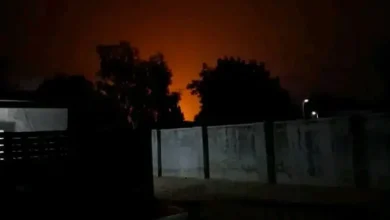
Earlier on Thursday night, the attackers allegedly set fire to the ADC ward office in Ubima, the hometown of Amaechi.
The incident follows similar attacks reportedly carried out against ADC leaders, including Peter Obi and John Odigie-Oyegun, in Benin City last week.
Reacting to the development, Atiku warned that continued attacks on opposition members pose grave dangers to democratic governance.
“The attack on the African Democratic Congress office in Ubima, Ikwerre Local Government Area of Rivers State, is condemned,” he said.
“It is a dangerous development that efforts to weaken the opposition have now shifted to attacking its members and destroying its properties. These are not merely attacks on the opposition coalition ADC but an assault on our democracy.”
Atiku further stressed that protecting the lives and property of opposition members should be a priority for the administration of Bola Ahmed Tinubu and the ruling All Progressives Congress.
He also called for an independent investigation into the burning of the ADC secretariat in Rivers State, urging authorities to ensure that those responsible are brought to justice.
According to him, failure to investigate and prosecute the perpetrators could embolden others to carry out further acts of political violence.
Atiku added that Nigerians are still awaiting the outcome of investigations into the alleged attack on Peter Obi and other ADC leaders in Benin City last week.