By Tricia Iwuoha
In Nigeria today, the sight of individuals walking into a pharmacy to request something for pain, or stopping at a roadside chemist to buy antibiotics without prescription, has become almost routine. Across cities, towns, and rural communities, self-medication is gradually evolving from a casual shortcut into a worrying public health emergency one that threatens the wellbeing of millions.
For many Nigerians, self-medication is not just a habit; it is a survival strategy shaped by limited access to healthcare, high medical costs, and long hospital waiting times. The average person believes that familiar symptoms headache, fever, stomach pain, cough do not require the stress of seeing a doctor. Instead, they rely on previous prescriptions, advice from friends, or the typical “chemist knows what I need.”
This culture has been silently nurtured by a system where drugs are readily available over the counter, even when they are supposed to be prescription-only medications.
The Scariest Trend: Abuse of Antibiotics
Among the most abused drugs in Nigeria are antibiotics, often taken for conditions that do not require them. Many people believe antibiotics are a cure-all, taking them for malaria, flu, or diarrhea. This practice is dangerous and has contributed significantly to antibiotic resistance, one of the world’s most pressing health threats.
Experts warn that if this continues, common infections may become untreatable, rendering even basic medical procedures risky.
Abuse of Painkillers and the Rise of Organ Damage
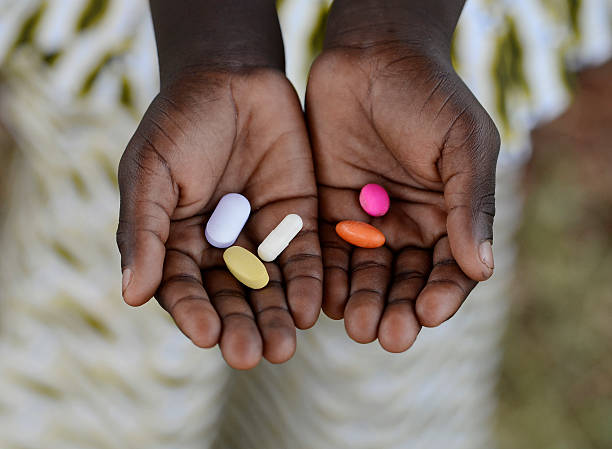
Painkillers such as paracetamol, ibuprofen, diclofenac, and even stronger opioids are often used without professional guidance. While these drugs offer temporary relief, excessive or inappropriate use can lead to liver damage, kidney failure, stomach ulcers, and severe allergic reactions.
Sadly, many cases of kidney or liver complications reported in Nigerian hospitals today are linked to long-term abuse of common over-the-counter medications.
The Unregulated of Herbal Mixtures
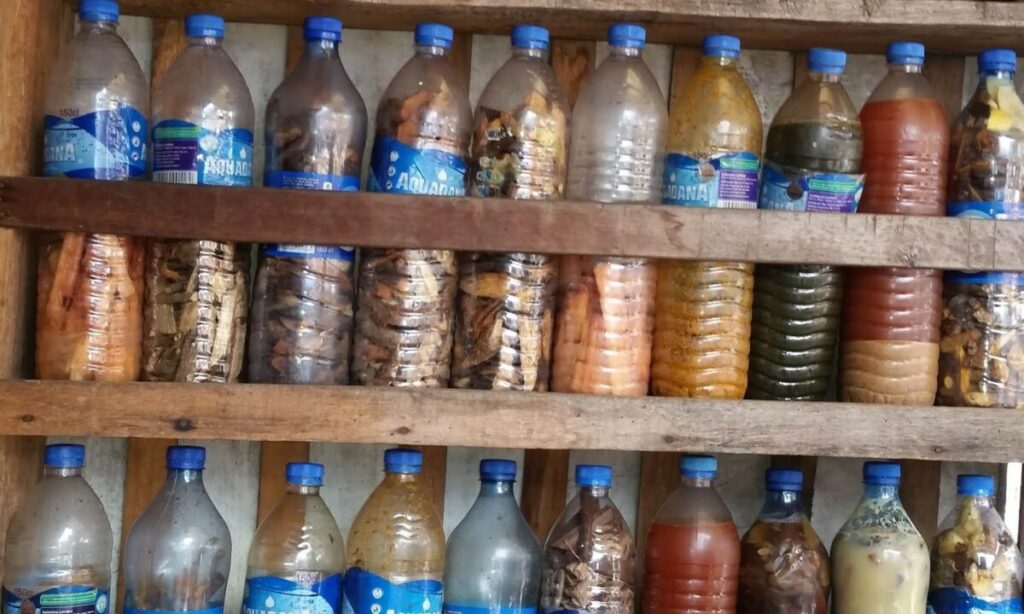
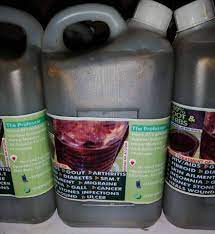
The popularity of locally made herbal mixtures commonly sold in unlabelled bottles has added another layer to the problem. Marketed as quick cures for everything from infections to sexual weakness, these concoctions often contain unknown chemicals and dangerously high alcohol levels.
Without proper regulation, dosage, or testing, consumers expose themselves to risks ranging from liver toxicity to chronic poisoning.
Why Self-Medication
1. High cost of medical care: Many households cannot afford consultation fees or diagnostic tests.
2. Limited access to health facilities: Rural communities often lack functional clinics or qualified health workers.
3. Busy lifestyles: People prefer quick fixes to avoid missing work or spending hours in hospital queues.
4. Peer influence: Friends, neighbors, and family members often play doctor, prescribing from experience.
5. Lack of awareness: Many do not understand the long-term consequences of unsupervised drug use.
The Hidden Dangers People Overlook
- Masking of serious underlying condition: Symptoms may disappear temporarily while the real illness worsens.
- Drug interactions: Mixing drugs without knowledge can lead to toxic effects.
- Incorrect dosage: Overdose or underdose reduces effectiveness and can cause harm.
- Addiction: Repeated use of certain drugs, especially painkillers and cough syrups, can lead to dependence.
The Need To Proffer Solution
Solving the problem of self-medication requires a combination of policy action, public education, and system reform:
1. Strengthen regulation of drug sales
Pharmacies and patent medicine stores must adhere strictly to prescription laws, especially for antibiotics and controlled substances.
2. Massive public health education
Government, NGOs, media houses, and community leaders need to intensify campaigns on the dangers of self-medication using relatable language and real-life stories.
3. Improve accessibility and affordability of healthcare
Strengthening primary healthcare centres, reducing consultation costs, and expanding health insurance coverage can discourage people from bypassing medical professionals.
4. Promote responsible practice among pharmacists and chemist operators
Many untrained or under-trained operators often dispense drugs without proper assessment. Capacity-building and monitoring remain essential.
5. Encourage Nigerians to seek proper medical advice
The public must learn that consulting a healthcare professional is an investment in their wellbeing not an avoidable expense.

Need for Behavioural Change
Self-medication may feel convenient, but its long-term consequences can be devastating. The cost of treating complications from kidney failure to antibiotic-resistant infections is far greater than the cost of proper healthcare. For Nigeria to build a healthier population, individuals must take responsibility for making safer health choices, while the system must do its part by making healthcare accessible, affordable, and trusted.
The growing problem of self-medication is not just a medical issue it is a societal challenge. Addressing it now will save countless lives in the future.